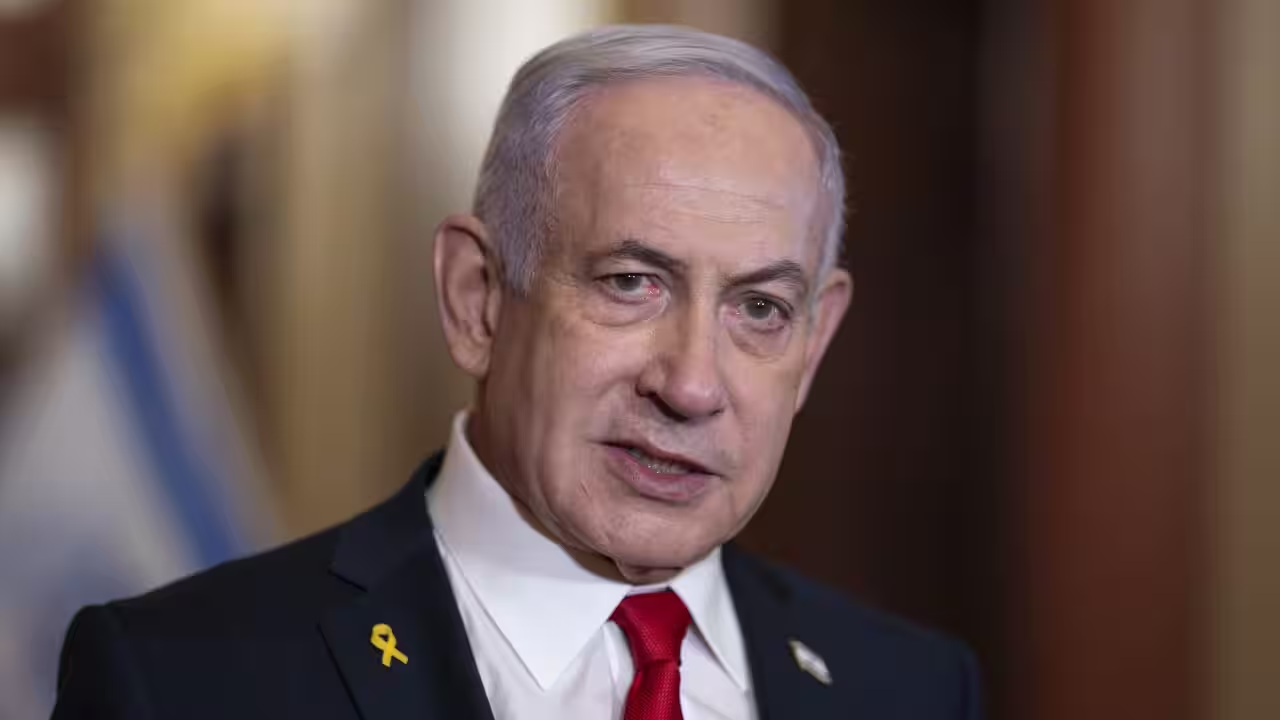

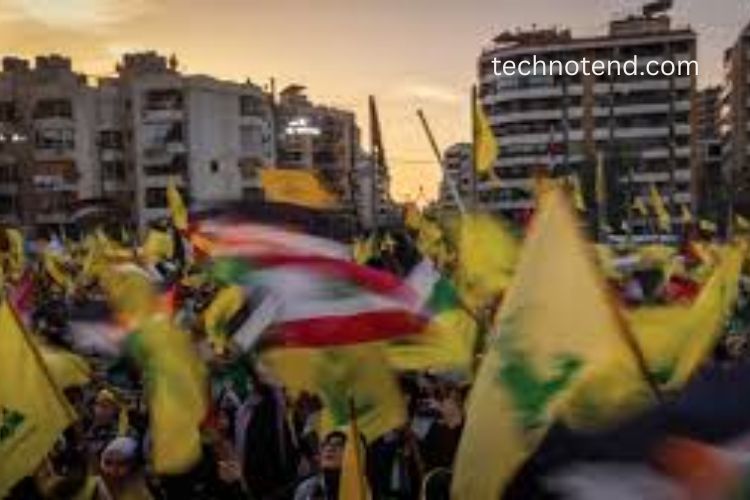
Israel has issued a stark warning that it will intensify its attacks against Hezbollah in southern Lebanon following the death of four militants in an overnight airstrike. The escalation comes despite a November 2024 ceasefire, which has so far failed to prevent ongoing hostilities in the region.
Read More: http://technotend.com/tesla-strikes-bold-2-billion-deal-with/
Rising Tensions in Southern Lebanon
Israeli forces continue to maintain a presence in five key areas of southern Lebanon, carrying out regular strikes against suspected militant targets. The situation intensified after the Lebanese Health Ministry confirmed that four people were killed during an Israeli airstrike, raising concerns about renewed conflict.
Israel’s Defense Minister, Israel Katz, sharply criticized the Lebanese government for delaying efforts to dismantle Hezbollah, calling the militant group a direct threat to northern Israel.
“Hezbollah is playing with fire, and the president of Lebanon is dragging his feet,” Katz said. “The Lebanese government’s commitment to disarm Hezbollah and remove it from southern Lebanon must be implemented. Maximum enforcement will continue and even intensify – we will not allow any threat to the residents of the north.”
Targeted Strikes Against Hezbollah
The Israeli Defense Forces (IDF) confirmed the airstrike in the town of Kfar Reman targeted the elite Radwan Force of Hezbollah. The strike reportedly killed the unit’s logistics chief, responsible for transferring weapons and attempting to rebuild terror infrastructure, along with three other fighters.
Lebanese media identified the four casualties as Jawad Jaber, Hadi Hamid, Abdullah Kahil, and Muhammad Kahil. The IDF stated that the men’s activities violated the terms of the ceasefire, underscoring Israel’s commitment to preempt threats from Hezbollah.
Hezbollah’s Resilience Despite Losses
Although Hezbollah was heavily weakened by a year-long conflict with Israel, it remains armed and financially resilient. During last year’s war, Israel eliminated many senior leaders, including the group’s longtime chief, Hassan Nasrallah. These strikes significantly diminished Hezbollah’s operational strength, yet the group continues to exert influence in southern Lebanon.
The U.S.-brokered November ceasefire called for the disarmament of Hezbollah, allowing only state security forces to carry weapons. This agreement has placed Lebanon under increasing pressure from the U.S., Saudi Arabia, and domestic political rivals of Hezbollah to enforce the truce.
According to Lebanese army sources, security forces have destroyed numerous Hezbollah weapons caches, but have run low on explosives, highlighting the logistical challenges of implementing the agreement. The army faces a delicate task: enforcing the ceasefire while avoiding renewed internal tensions.
Human and Political Costs of the 2024 Conflict
Hezbollah’s defeat in last year’s conflict came at a heavy cost. Thousands of fighters were killed, and the war claimed over 1,100 civilian lives, including women and children. Large swathes of southern and eastern Lebanon were left devastated, with infrastructure and communities struggling to recover.
The group has publicly pledged to adhere to the ceasefire, refraining from attacks on Israel and cooperating with state efforts to seize unmanned weapons caches in the south. However, Hezbollah has maintained that the disarmament obligation applies strictly to southern Lebanon and has hinted at potential retaliation if Israel expands its military actions.
Renewed Israeli Raids
Tensions escalated further when Israeli ground forces conducted a raid in southern Lebanon, prompting Lebanese President Joseph Aoun to instruct the army to confront any incursions. President Aoun had previously sought talks with Israel in mid-October, following a U.S.-brokered ceasefire in Gaza facilitated by former U.S. President Donald Trump.
Aoun later criticized Israel for intensifying airstrikes despite his diplomatic outreach, highlighting the fragile nature of the ceasefire. This back-and-forth underscores the risk of escalation, with both sides walking a thin line between enforcement and renewed war.
Regional Implications
The ongoing conflict in southern Lebanon has implications beyond the immediate border. Hezbollah, backed by Iran, continues to be a potent political and military force in Lebanon. Any escalation could draw in regional powers, including Israel’s allies and Iran, further complicating efforts to stabilize the area.
For Israel, maintaining security along its northern border remains a top priority. Officials have emphasized that strikes against Hezbollah are not merely retaliatory but aimed at preempting future threats. Meanwhile, Lebanon faces the challenge of balancing domestic stability with international pressure to disarm Hezbollah.
The Path Forward
While both sides have publicly committed to the ceasefire, sporadic violence continues to undermine stability. Israel’s airstrikes, Hezbollah’s defensive posture, and Lebanon’s limited enforcement capacity create a volatile environment in southern Lebanon.
Experts warn that without robust enforcement of the truce and sustained diplomatic engagement, tensions could spiral into a wider conflict. The international community’s role remains critical, particularly in supporting Lebanon’s security forces and mediating between Israel and Hezbollah to prevent further escalation.
Frequently Asked Questions:
Why has Israel threatened to step up attacks against Hezbollah?
Israel has accused Hezbollah of rebuilding its military capabilities in southern Lebanon and violating the November 2024 ceasefire. Israeli officials view the group as a direct threat to northern Israel and have vowed to intensify operations to neutralize any potential attacks.
Who were the targets of the recent Israeli airstrike in southern Lebanon?
The airstrike targeted members of Hezbollah’s elite Radwan Force in the town of Kfar Reman. Four militants were killed, including the unit’s logistics chief responsible for weapons transfers and rebuilding terror infrastructure.
What is Hezbollah’s current position following last year’s conflict?
Hezbollah was significantly weakened during the 2024 conflict, which killed many senior leaders, including Hassan Nasrallah. While the group has publicly committed to the ceasefire, it retains weapons and has warned of possible retaliation if Israel expands its military actions.
How is Lebanon responding to the ceasefire obligations?
Lebanon has faced pressure from the U.S., Saudi Arabia, and domestic rivals of Hezbollah to enforce disarmament. The Lebanese army has seized numerous Hezbollah arms caches, though it faces logistical challenges and must carefully balance enforcement with domestic stability.
What are the risks of escalation between Israel and Hezbollah?
Ongoing airstrikes, ground raids, and military buildups create a volatile situation. Any misstep could lead to renewed conflict, threatening civilian lives and regional security in southern Lebanon and northern Israel.
What role does the international community play in this conflict?
International actors, including the U.S., have helped broker ceasefires and continue to exert diplomatic pressure on Lebanon to enforce disarmament. Their role is critical in preventing further escalation and supporting stability in the region.
How have civilians been affected by recent and past conflicts?
Previous conflicts caused thousands of casualties, including women and children, and left large parts of southern and eastern Lebanon devastated. Continued hostilities risk further humanitarian crises and displacement of civilians.
Conclusion
The escalating tensions between Israel and Hezbollah in southern Lebanon highlight the fragile state of peace in the region. Despite last year’s devastating conflict and the November 2024 ceasefire, both sides remain on edge, with Israel vowing to intensify attacks and Hezbollah maintaining its defensive posture. Lebanon faces immense pressure to enforce disarmament while protecting domestic stability, and civilians continue to bear the brunt of the conflict’s consequences. Sustained diplomatic efforts, strict enforcement of ceasefire agreements, and international support are essential to prevent further escalation and ensure lasting security for the region.