

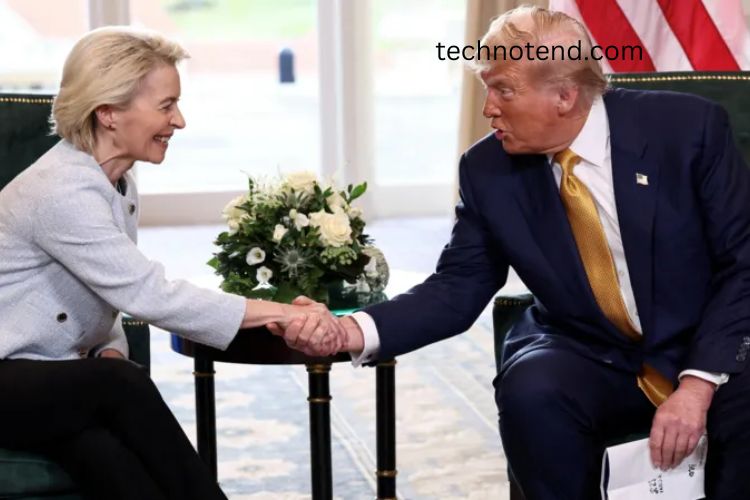
The US Supreme Court is set to hear one of the most significant trade disputes in recent history, challenging the legality of tariffs imposed during the Trump administration. Small businesses and several states argue that these sweeping import taxes are unconstitutional and should be overturned, a decision that could upend Trump’s trade strategy and have far-reaching effects on the global economy.
Read More: http://technotend.com/empowering-shift-tlanz-committee-champions/
The Stakes Are High
If the Supreme Court sides with the challengers, the government may be required to refund billions collected through these tariffs, which were initially imposed to curb imports and protect domestic industries. Following the hearing, the justices will carefully review the case, a process that could take months before a final vote.
Former President Donald Trump has framed this dispute as a crucial test for national security and economic strategy. He warned that a loss could limit the United States’ leverage in trade negotiations and jeopardize national interests.
“I wanted to go so badly… I just don’t want to do anything to deflect the importance of that decision,” Trump said, emphasizing that the case is “not about me, it’s about our country.”
Businesses Feeling the Pressure
American companies have already experienced the effects of the tariffs. Learning Resources, a US toy retailer heavily reliant on overseas manufacturing, estimates it will pay $14 million in tariffs this year—seven times its 2024 tariff costs. CEO Rick Woldenberg described the situation as “unbelievable disruption,” forcing the company to adjust production for hundreds of products.
Cooperative Coffees, a Georgia-based coffee importer, has paid $1.3 million in tariffs since April. Bill Harris, the company’s co-founder, expressed cautious optimism about a potential legal victory but also prepared for prolonged financial strain. “This is an energy drain like I’ve never seen,” he said, noting the tariffs dominate daily operations and severely affect cash flow.
Presidential Power on Trial
Beyond business impact, the case raises critical questions about presidential authority. The tariffs were imposed under the 1977 International Emergency Economic Powers Act (IEEPA), allowing the president to act quickly in emergencies. Trump first invoked the law in February for imports from China, Mexico, and Canada, citing threats like drug trafficking. In April, he expanded tariffs to nearly every country, citing the US trade deficit as an “extraordinary and unusual threat.”
Opponents argue that IEEPA does not grant the president authority to impose tariffs and that only Congress can establish taxes. Lawmakers from both parties have filed briefs arguing that the emergency law cannot be used as leverage in trade negotiations. In late October, the Senate passed symbolic resolutions rejecting Trump’s tariffs and calling to end the national emergency declaration.
Legal Battle and Timeline
Three lower courts have already ruled against the administration. The Supreme Court is expected to issue its decision by January, although the legal process could extend into mid-year. Analysts estimate the tariffs have generated $90 billion in import taxes, roughly half of the US tariff revenue collected this year. If delayed, that figure could reach $1 trillion.
Even if businesses recover some funds through refunds, the disruption will leave lasting financial and operational scars. Many companies, like Cooperative Coffees, have resorted to raising prices, taking additional credit lines, and restructuring operations to cope with the uncertainty.
Possible Outcomes
The White House has signaled that alternative measures could be used if the tariffs are struck down, including temporary levies allowed under other trade laws. These approaches require formal notifications and procedural steps, offering some relief to businesses by avoiding sudden, unannounced tariff impositions.
Legal experts emphasize that this case is not just about money—it’s about the predictability and stability of US trade policy. Fast-moving, unpredictable tariffs can disrupt supply chains, increase costs, and complicate international trade relations.
Global Ripple Effects
The tariffs have already affected international trade agreements. A July deal between the US and the European Union, setting US tariffs on European goods at 15% in exchange for concessions, remains in limbo until the Supreme Court rules. European officials have indicated that final ratification depends on the court’s decision.
Swiss chocolatier Daniel Bloch of Chocolats Camille Bloch reported that America’s 39% tariffs on his goods have severely impacted profits. Absorbing the extra costs to maintain sales has proven unsustainable. Bloch hopes the Supreme Court will overturn the tariffs but remains skeptical that a ruling alone will fully resolve the challenges.
Uncertain Future for US Trade Policy
The Supreme Court’s decision will set a precedent for the limits of presidential power in economic policy. Past rulings have shown a mix of deference and restraint toward executive authority, particularly regarding national security. With six Republican-appointed justices, including three by Trump, the outcome remains uncertain.
Observers agree that the case could reshape US trade policy for years, affecting businesses large and small both domestically and abroad. From coffee importers to toy manufacturers and chocolatiers, the stakes could not be higher.
Frequently Asked Questions:
What is the Supreme Court case about?
The case challenges the legality of tariffs imposed during the Trump administration. Businesses and states argue that the president overstepped his authority under the US Constitution.
Which tariffs are being contested?
The tariffs in question were imposed on imports from countries worldwide, including China, Mexico, and Canada. They were authorized under the 1977 International Emergency Economic Powers Act (IEEPA).
Why is this case significant?
The decision could determine the limits of presidential power in trade policy, potentially affecting billions of dollars in import taxes and global trade relationships.
How could this ruling affect businesses?
If the tariffs are struck down, companies may receive refunds for past payments, but they will have to manage ongoing operational disruptions caused by years of changing trade policies.
When is the Supreme Court expected to make a decision?
While a decision could take months, most analysts expect a ruling by January, with the possibility of delays extending into mid-year.
What could happen if the Court sides with Trump?
Upholding the tariffs would affirm broad presidential authority, allowing the White House to impose similar measures more easily in the future.
How are international businesses impacted?
Companies worldwide, such as Swiss chocolatier Chocolats Camille Bloch and coffee importers, have faced higher costs and disrupted supply chains due to the tariffs.
Conclusion
The Supreme Court showdown over Trump-era tariffs is more than a legal battle—it is a pivotal moment for US trade policy, presidential authority, and global commerce. The ruling will determine whether past tariffs are lawful, influence future presidential powers, and impact businesses navigating an uncertain economic landscape. With billions of dollars at stake and international trade relationships hanging in the balance, the decision will resonate far beyond the United States, shaping the rules of global trade for years to come.